7 Coordination Habits That Keep Construction and Installation on Schedule
 jsonspltd_siteweb
Kareva Techsol
jsonspltd_siteweb
Kareva Techsol

When a construction or installation project runs late, the cause is rarely that the work itself was too difficult. More often, the right material, drawing, person or permit wasn’t there when it was needed. Good coordination closes those gaps. These are the habits we see on projects that finish on time.
1. Freeze the scope before mobilising
Starting site work while the design is still changing is one of the most expensive ways to save time. Agree the scope, approved drawings and change process before crews arrive. Changes will still happen, but they should go through a clear process rather than arriving as verbal instructions.
2. Track long-lead items from day one
List every item with a long manufacturing or shipping time and track it weekly: order placed, drawings approved, manufacturing progress, inspection, dispatch, customs and delivery. A pump stuck at a port can stop a job as effectively as a missing crew.
3. Hold a short daily coordination meeting
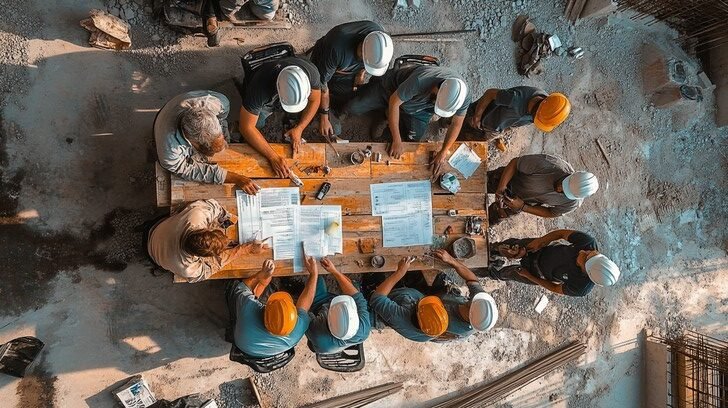
Fifteen minutes each morning with the leads of every trade prevents most clashes. Cover what’s happening today, what’s blocked, and who needs what from whom. Keep it short and record the actions.
4. Plan safety with the work, not after it
Permits to work, lifting plans, isolations and hot-work controls should be planned alongside the work itself. Work that stops because a permit wasn’t ready is a delay; unsafe work that goes ahead anyway is a far greater risk.
5. Check before you install
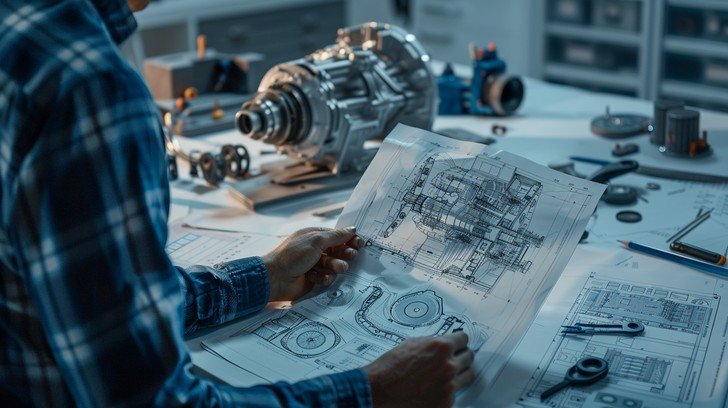
Inspect equipment and materials on arrival against the purchase order and drawings: model, ratings, materials, orientation, and any transit damage. Finding a problem at the gate takes a phone call. Finding it after installation takes rework.
6. Keep one version of the truth
Everyone on site should work from the latest approved drawings. Mark superseded drawings clearly, record changes as they happen, and keep as-built information up to date throughout the job instead of reconstructing it at the end.
7. Plan the handover from the start
Commissioning, testing and documentation usually take longer than schedules allow. Decide early what the client needs at handover, such as test records, certificates, manuals, as-built drawings, spare parts lists and training, and collect it as the work progresses.
Execution support from Johnson & Sons
Our project services team supports construction, installation, coordination and execution on industrial and commercial projects. Because we also handle engineering and equipment sourcing, we can connect what happens on site with what happens in design and procurement. If your project needs experienced coordination support, get in touch.

Written by
jsonspltd_siteweb
The Kareva team designs, builds and grows websites for businesses in India and around the world. We write about what we learn along the way.