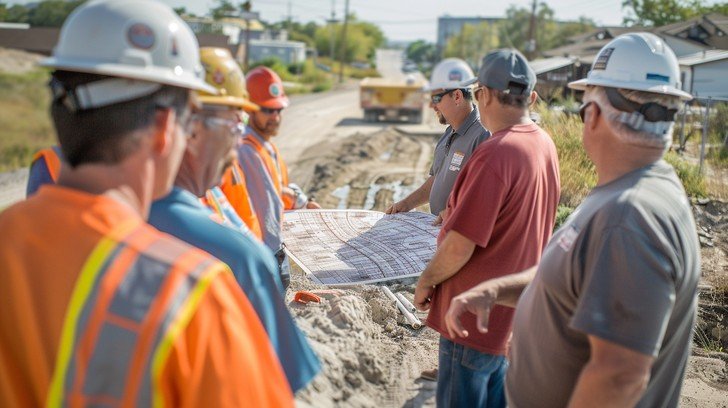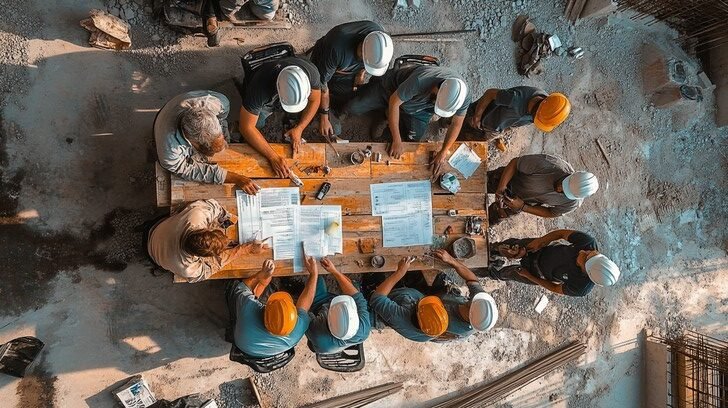
Most project overruns are not caused by what happens on site. They are caused by decisions that were never properly made before site work began. Front-End Engineering Design, usually called FEED, is the stage where those decisions are made on paper, while changing them is still cheap.
What FEED actually is
FEED sits between the early concept study and detailed engineering. By this point the owner knows what they want to build and roughly why. FEED turns that intent into a defined technical basis: what the plant or facility will include, how it will be laid out, which major equipment it needs, and what it is likely to cost.
A typical FEED package includes:
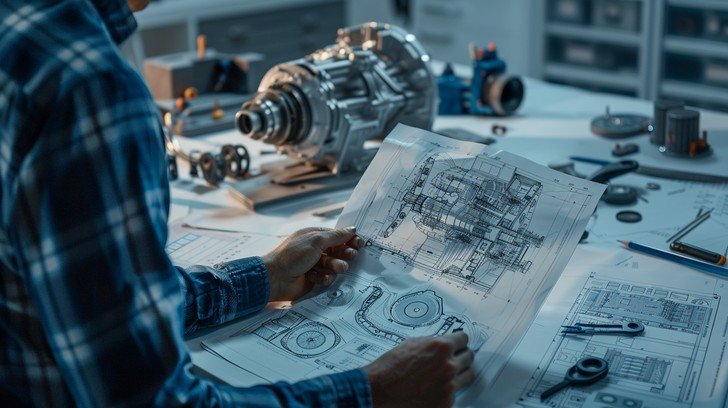
- Process design basis and process flow diagrams (PFDs)
- Preliminary piping and instrumentation diagrams (P&IDs)
- Equipment lists with key specifications and datasheets
- Plot plans and preliminary layouts
- A cost estimate, commonly within roughly ±10–30% depending on the project
- An initial schedule and execution plan
- Early identification of safety, regulatory and environmental requirements
Why it matters: the cost of change
Early in a project, changing a design means revising a drawing. Once equipment has been ordered, it may mean cancellation charges. Once concrete has been poured, it can mean demolition. The further a project moves, the more a single change costs, and the harder it is to absorb without delaying everything else.
FEED is where the big questions get settled while the pen is still the main tool. Capacity, equipment type, layout, utilities and access are fixed with enough confidence that detailed engineering and procurement can proceed without constant rework.
What FEED gives the project owner
Beyond a better design, a good FEED gives owners something just as valuable: a reliable basis for decisions.
- A budget you can defend. Investment and financing decisions are far easier with an estimate based on real equipment lists and quantities rather than rough ratios.
- A clear scope for tendering. Contractors bid against the same well-defined package, which makes bids comparable and reduces claims for extras later.
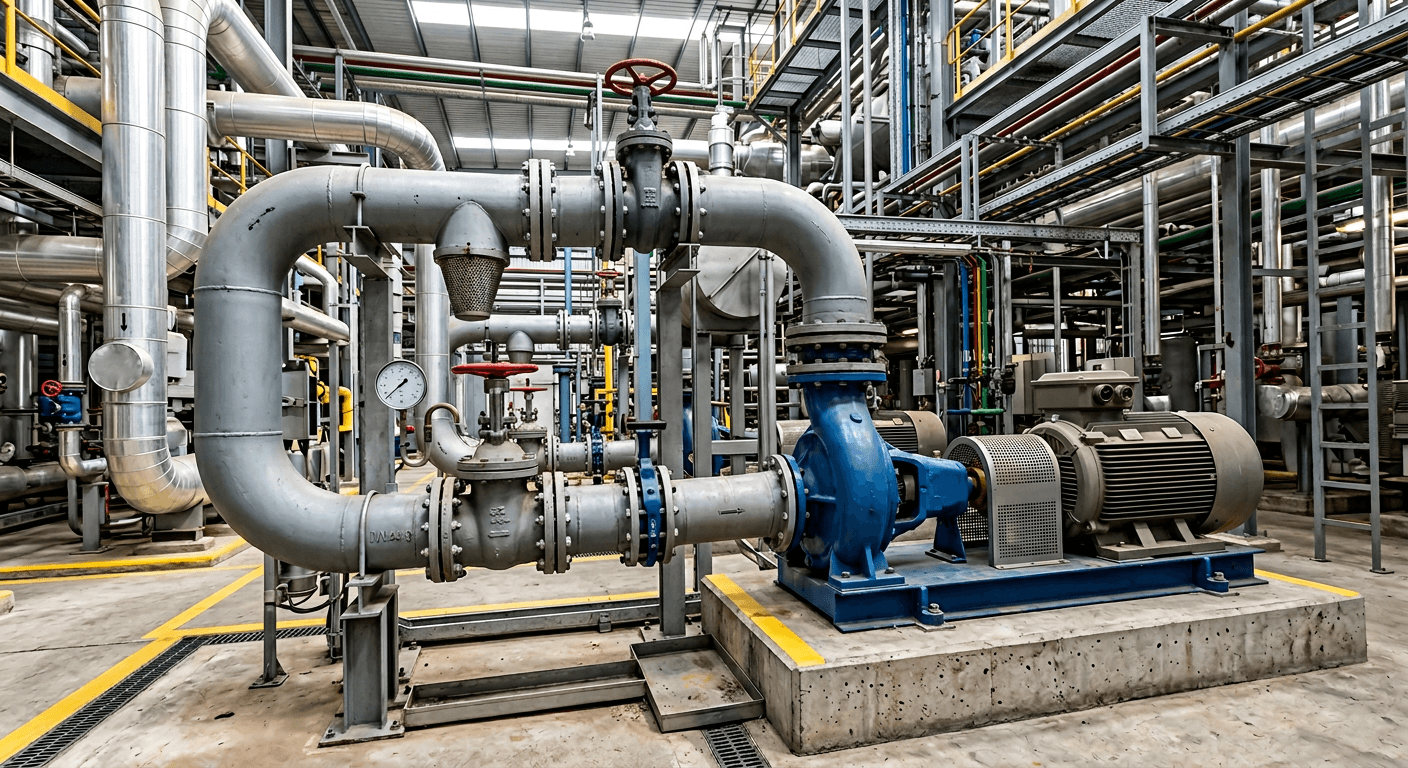
- Long-lead items identified early. Large pumps, compressors and custom-fabricated equipment can take months to manufacture. FEED shows what needs ordering first so it doesn’t hold up the schedule.
- Fewer surprises on site. Clashes, access problems and missing utilities are much cheaper to find on a layout drawing than during installation.
Common mistakes we see
The most frequent problem is treating FEED as a formality to rush through so that the “real” work can start. A thin FEED produces a thin estimate, and the gaps reappear later as variations and delays.
Other common issues include changing the design basis after FEED without re-checking the knock-on effects, leaving operations and maintenance teams out of the review, and not confirming site conditions such as soil, existing utilities and access routes.
How we approach FEED
At Johnson & Sons, FEED is part of our engineering and consultancy work. Because the same organisation also sources industrial equipment and supports construction, our engineers design with procurement and installation in mind: specifying equipment that can be sourced on time, and layouts that can actually be built and maintained. If you’re planning a new facility, an expansion or a major upgrade, talk to our engineering team before the design is fixed. It’s the stage where good advice costs the least and saves the most.

Written by
jsonspltd_siteweb
The Kareva team designs, builds and grows websites for businesses in India and around the world. We write about what we learn along the way.