One Partner, Four Capabilities: Why Integrated Support Reduces Project Risk
 jsonspltd_siteweb
Kareva Techsol
jsonspltd_siteweb
Kareva Techsol
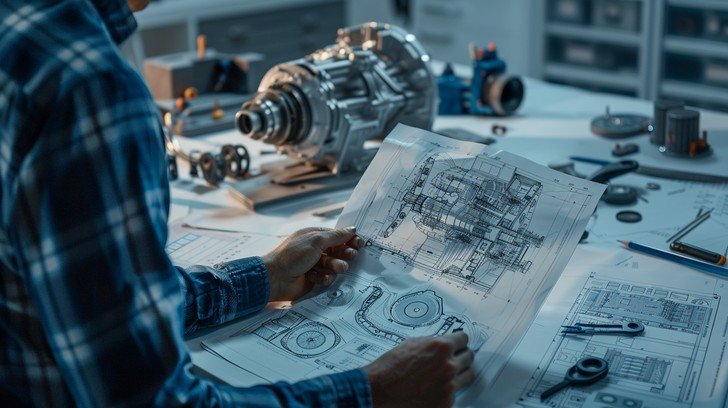
Industrial projects are often split into separate pieces: one firm designs, another sources the equipment, a third installs it, and someone else handles the imports. Each piece may be done well on its own. Most of the problems, though, appear where the pieces meet.
Where projects actually go wrong
Interfaces are the weak points. A designer specifies equipment that turns out to have a long lead time. A supplier offers a substitute that doesn’t quite fit the layout. An installation crew finds a nozzle facing the wrong way. Each party can reasonably say the problem started with someone else, and while that’s being argued, the schedule slips.
The more parties involved, the more interfaces there are, and the more of the project manager’s time goes into coordination instead of progress.
What an integrated partner changes
When engineering, sourcing and project support sit in one organisation, several things improve at once.
- Design that knows the market. Engineers specify equipment with real availability, lead times and costs in mind.
- One line of responsibility. If something doesn’t fit, one team is accountable for fixing it, instead of a debate about whose fault it is.
- Faster decisions. Technical queries from site go straight back to the people who did the design and sourcing.
- Consistent documentation. Datasheets, drawings, test certificates and manuals follow one system from design to handover.
- Better cost control. Changes are assessed across design, procurement and installation together, so their full impact is clear before they’re approved.
It doesn’t mean giving up control
A common concern is that one partner means less visibility. It should mean the opposite. A well-run integrated team gives the owner one progress report, one point of contact and a clear view of the whole project, rather than several partial views that have to be pieced together.
Owners can still bring in independent reviewers, specify preferred brands and approve every major decision. What changes is that the burden of coordination moves from the owner’s team to the delivery partner.
When it makes the most sense
Integrated support is especially valuable when:
- The project involves imported equipment or international suppliers
- The owner’s in-house engineering team is small or already stretched
- The schedule is tight and long-lead items are on the critical path
- The work is an upgrade to a running facility, where downtime is costly
The Johnson & Sons approach
Johnson & Sons brings four capabilities under one organisation: engineering and consultancy, industrial equipment sourcing, construction and project services, and international trade. Clients can use a single capability or combine them as the project requires. Either way, the aim is the same: fewer handovers, fewer gaps, and one team that owns the result.
If you’re planning a project and want to know which parts we could take off your hands, we’d be glad to talk it through.

Written by
jsonspltd_siteweb
The Kareva team designs, builds and grows websites for businesses in India and around the world. We write about what we learn along the way.