Importing Indian Spices: Quality Checks Every Buyer Should Know
 jsonspltd_siteweb
Kareva Techsol
jsonspltd_siteweb
Kareva Techsol
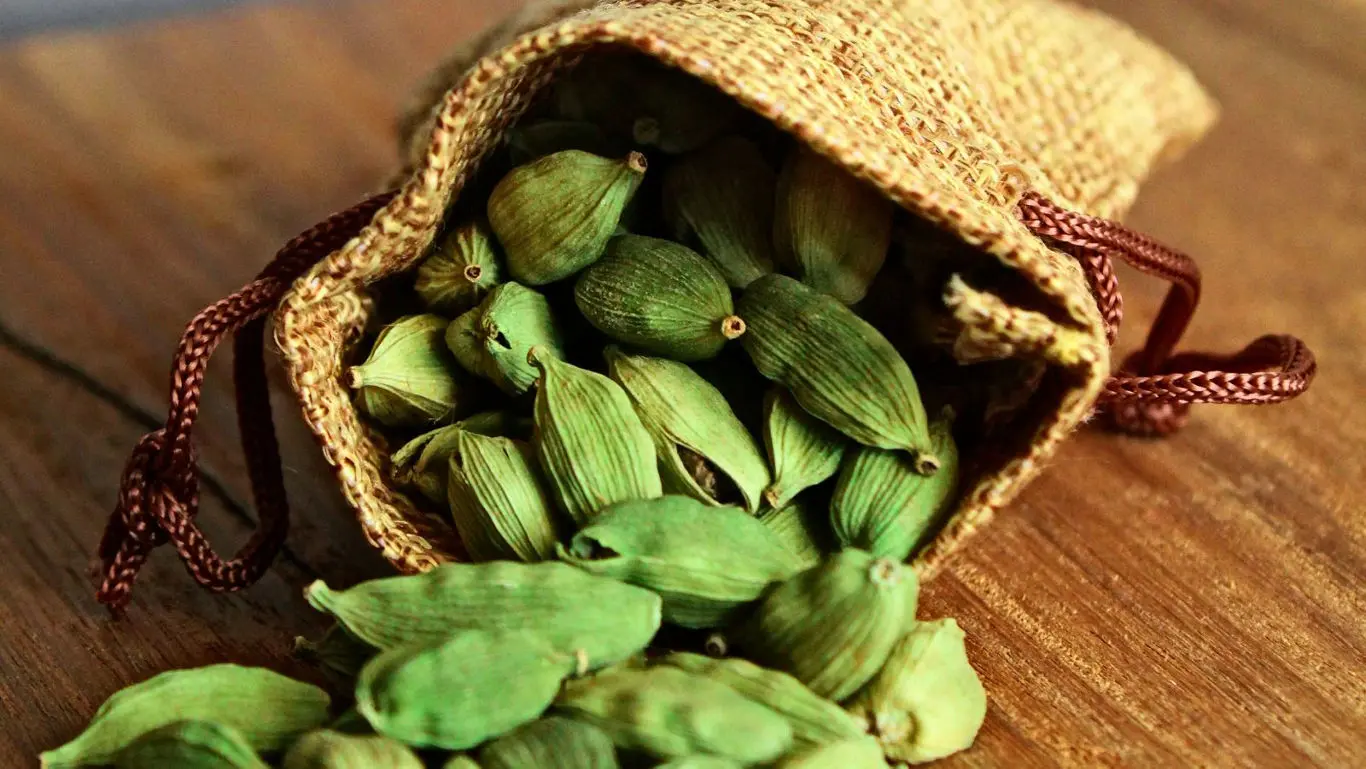
India is the world’s largest producer and exporter of spices. Its black pepper, cardamom, turmeric, chilli, cumin and coriander are used in kitchens and food factories around the world. For importers, however, “Indian origin” is only the starting point. Quality varies with region, harvest, processing and handling, and food safety rules in the destination country leave little room for error.
Physical quality parameters
The commercial quality of a spice is usually defined by a handful of measurable parameters. Specify them in your contract:
- Moisture content. High moisture encourages mould and means paying for water. Limits are commonly around 10–13% for many whole spices, depending on the product and the buyer’s specification.
- Extraneous matter. Stones, stems, dust and other foreign material should be within agreed limits.
- Grade and size. Black pepper is often graded by bulk density (grams per litre), and cardamom by size and colour.
- Active compounds. Volatile oil in pepper and cardamom, curcumin in turmeric, and pungency or colour value in chilli all affect flavour and price.
Food safety tests
Food safety is where shipments are most often rejected. Depending on the product and destination, importers commonly require laboratory testing for:
- Pesticide residues, against the destination’s maximum residue limits (MRLs), which can be much stricter in markets such as the European Union
- Aflatoxins and ochratoxin A, especially in chilli, nutmeg and other mould-prone products
- Microbiological contamination such as Salmonella
- Ethylene oxide residues, which have been a regulatory concern in several markets in recent years
- Illegal dyes and adulterants, particularly in ground spices such as chilli powder and turmeric
Use laboratories accredited to ISO/IEC 17025, and agree in advance whose results will be accepted if there’s a dispute.
Cleaning, sterilisation and packing
Many buyers now ask for cleaned and sorted spices, and sometimes steam-sterilised product for lower microbial counts. Packing matters too: moisture-resistant food-grade bags or liners, clean containers and correct labelling protect quality over what can be a long sea voyage.
Documents to expect
- Commercial invoice, packing list and bill of lading
- Certificate of origin
- Phytosanitary certificate, where the destination requires it
- Certificate of analysis from an accredited laboratory
- Any health or quality certificates required by the importing country
Spice exporters in India must be registered with the Spices Board of India, the government body that regulates and promotes spice exports. Ask your supplier for their registration details.
Build a relationship, not just an order
The most reliable spice supply comes from knowing where the product comes from. Consistent suppliers, clear specifications, pre-shipment sampling and testing, and feedback after every shipment all improve quality over time.
Sourcing Indian spices with Johnson & Sons
Through our international trade division, Johnson & Sons supplies Indian spices to overseas buyers. We work to agreed specifications, arrange testing and documentation, and coordinate shipment from India. If you’re looking for a dependable source of Indian spices, send us your product list and target specifications.

Written by
jsonspltd_siteweb
The Kareva team designs, builds and grows websites for businesses in India and around the world. We write about what we learn along the way.